Salcombe C of E
Primary School
Reading

Reading @ Salcombe C of E Primary School
Intent:
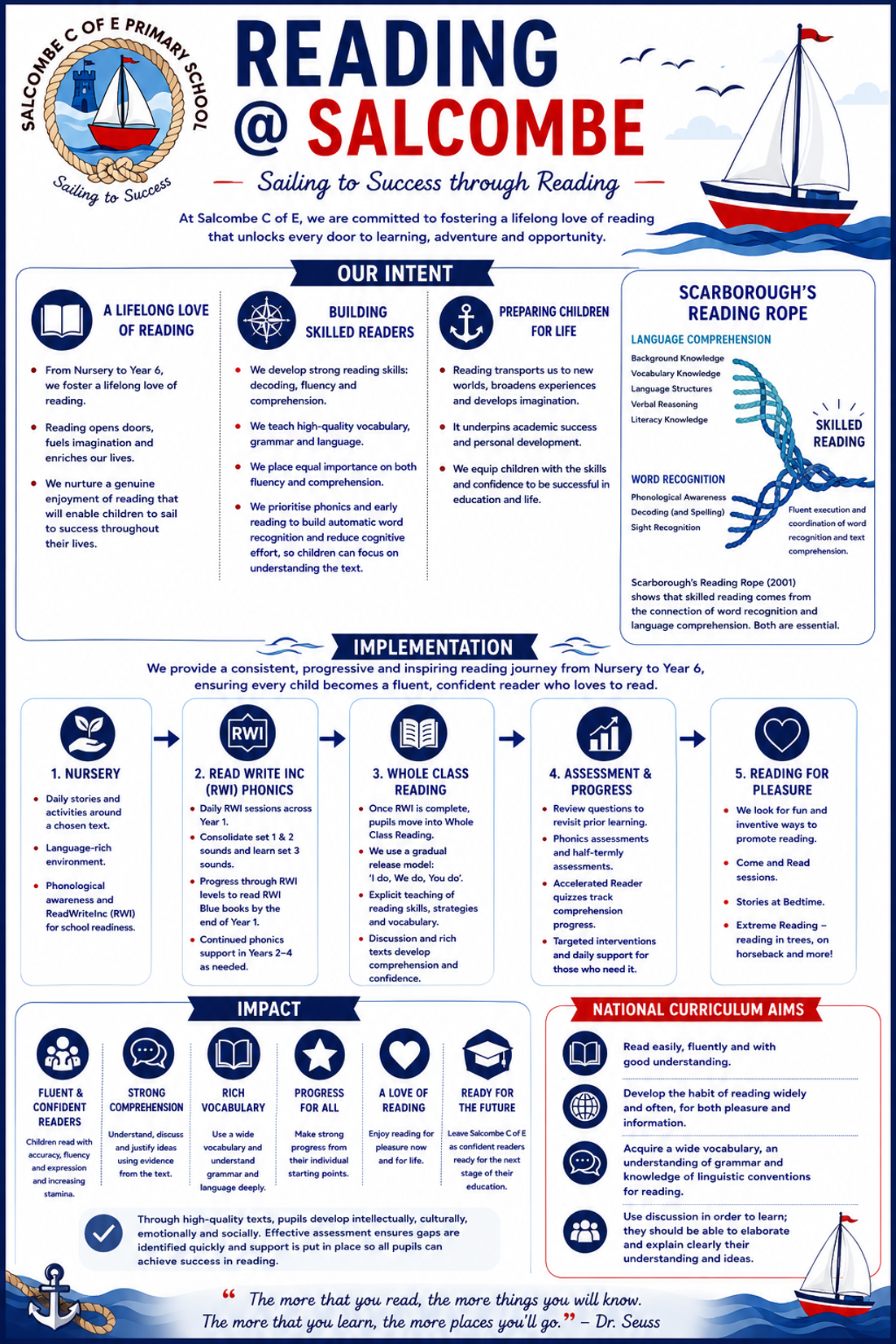
At Salcombe C of E, we are committed to fostering a lifelong love of reading in all our children, starting with the children in our nursery provision all the way up to Year 6. We recognise that reading underpins the school’s entire curriculum and is fundamental to academic success and personal development. Our aim is to ensure that every child develops strong reading skills, including decoding, fluency and comprehension, enabling them to access and engage with a wide range of texts. All the while nurturing a genuine enjoyment of reading that will enable them to sail to success throughout their lives.
As teachers, we believe that reading has the power to transport children to new worlds, broaden their experiences and enrich their vocabulary. Through high-quality texts, we support children in developing their imagination, deepening their understanding of language, and strengthening their writing, including grammar and punctuation.
We place equal importance on both fluency and comprehension, understanding that fluent reading is essential for successful comprehension. This approach is underpinned by Scarborough’s Reading Rope, which highlights that skilled reading requires both secure word recognition and strong language comprehension. We therefore prioritise the teaching of phonics and early reading skills, ensuring children develop automatic word recognition through phonological awareness, decoding and sight recognition. This enables pupils to read with increasing fluency, reducing the cognitive effort required for decoding and allowing them to focus on understanding the text. Once children have progressed through our phonics scheme, we explicitly develop language comprehension through rich texts, discussion and vocabulary development.
All teachers ensure that pupils are taught the relevant content from the National Curriculum. The aims of teaching reading, as outlined in the National Curriculum, are to ensure that all pupils:
• read easily, fluently and with good understanding
• develop the habit of reading widely and often, for both pleasure and information
• acquire a wide vocabulary, an understanding of grammar and knowledge of linguistic conventions for reading
• use discussion in order to learn; they should be able to elaborate and explain clearly their understanding and ideas
Implementation:
To achieve this success in reading, our expectation is that through quality first teaching all children will successfully access the learning. Pupils start their reading journey within our nursery provision. From the age of two, they are introduced to books through daily stories, activities around a chosen text. As the children develop, this progresses onto to include phonological awareness and the synthetic phonics programme, ReadWriteInc (RWI) for school readiness. This will then continue as the children move up through the school, ensuring pupils are able to secure their phonic knowledge to become fluent, confident readers. Crucially, they read storybooks and non-fiction books daily, with words they can decode, so they achieve early success in reading.
Across Year 1, pupils will take part in daily RWI sessions. Pupils will consolidate their understanding of set 1 and 2 sounds and learn sounds in set 3. Across Year 1, pupils will progress through the RWI levels aiming to be reading RWI Blue books by the end of Year 1. This will ensure pupils are reading at a level that will allow pupils to begin to read across the curriculum as they move into Year 2. Once the RWI programme is complete, pupils will move onto RWI comprehension, enabling them to practice decoding, fluency and comprehension when reading. In Years 2, 3 and 4, pupils who are not yet secure in phonics, will continue to take part in RWI phonics sessions. We expect most pupils to move through the programmes of study at broadly the same pace. However, for children who lack fluency, have phonics gaps, or lack comprehension, we provide opportunities to consolidate their understanding through carefully planned interventions.
Once the children have progressed through RWI and have become confident reading increasingly challenging texts, they will move onto our Whole Class Reading sessions. Through our lesson design, we use a gradual release model of instruction (“I do, We do, You do”) to explicitly teach reading skills and strategies. This approach allows pupils to first observe expert modelling, before practising collaboratively with teacher support and applying skills independently. By carefully scaffolding learning in this way, the pupils’ cognitive overload is reduced, and they can develop fluency, comprehension, vocabulary and confidence securely over time. We use Accelerated Reader as a way of tracking each pupil’s comprehension progress and those who need a little more support will have daily reading interventions with an adult.
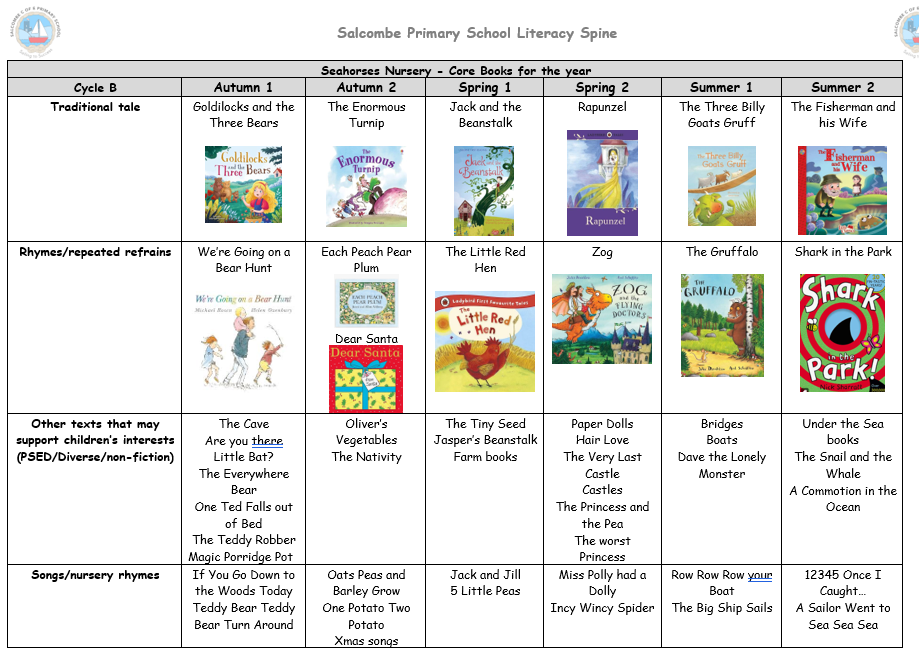
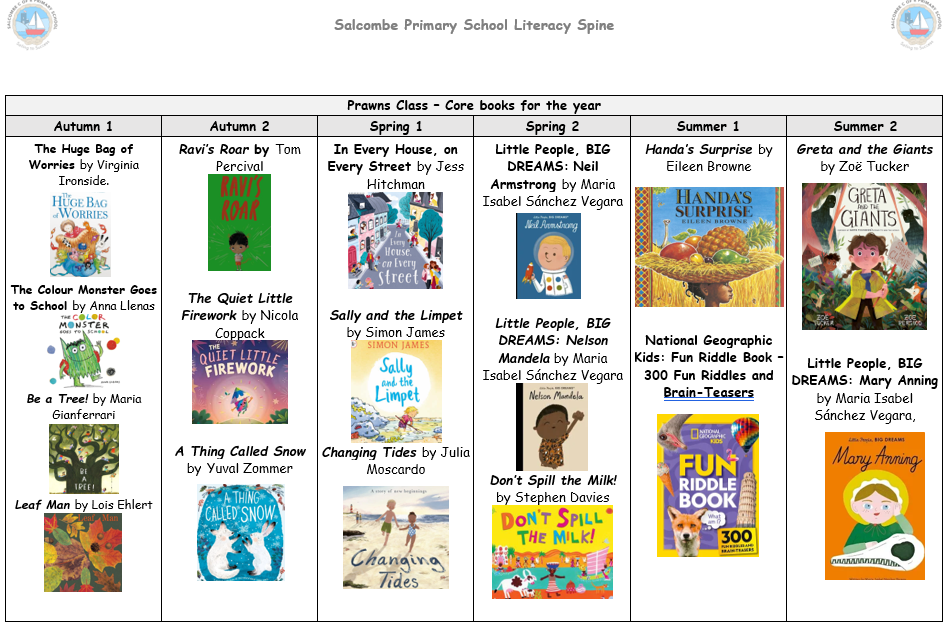
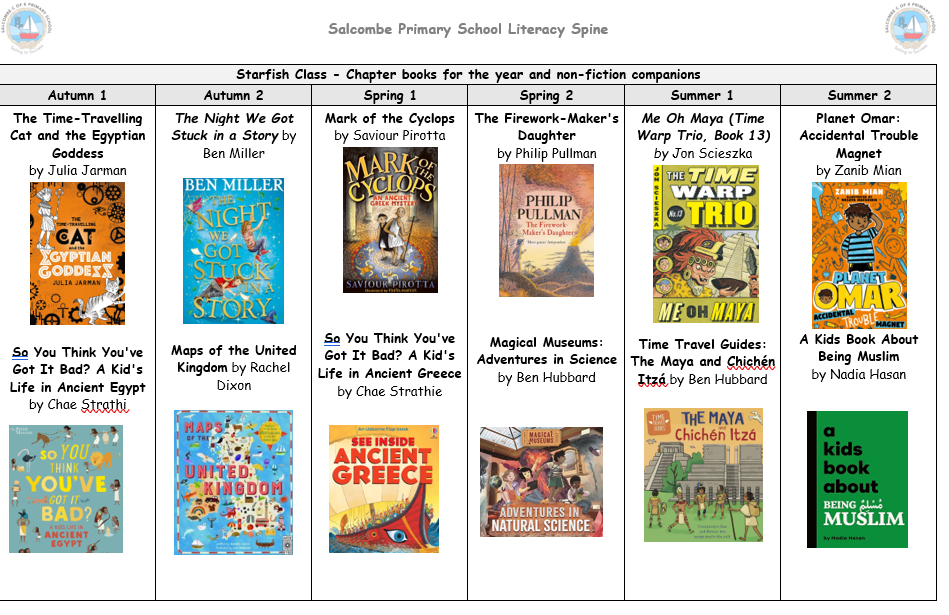
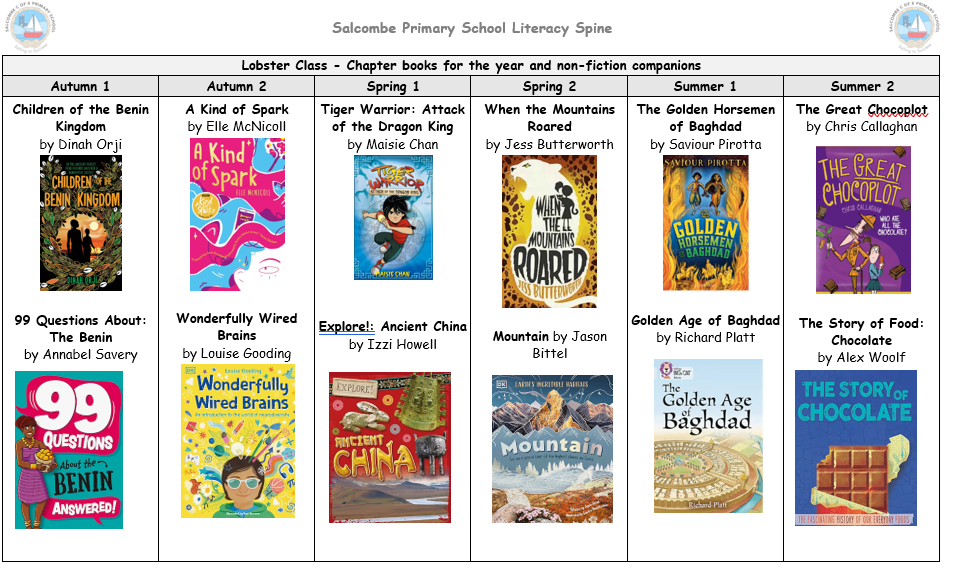
We consistently look for fun and inventive ways to encourage and promote reading for pleasure. These include, ‘come and read’ sessions, along with ‘stories at bedtime’, where pupils can come into school and have an hour reading their favourite stories with their class teacher. Another firm favourite has been ‘extreme reading’, which has seen children reading in trees and on horseback.
By prioritising both skill development and reading for pleasure, we ensure reading remains at the heart of our curriculum
Oracy is central to our reading provision. We prioritise the development of confident speakers and attentive listeners, recognising that strong communication skills are key to not only unlocking future opportunities but also building an individual’s confidence. By embedding rich discussion and meaningful dialogue within all our reading lessons, we believe children will be able to articulate their ideas, reflect on what they have read and build deeper understanding.
Impact:
Through our reading curriculum, pupils develop into fluent, confident and enthusiastic readers who can successfully access learning across the wider curriculum. Pupils at Salcombe C of E make strong progress from their individual starting points through a consistent and progressive approach to the teaching of reading.
As pupils move through the school, they develop increasing fluency, stamina and confidence when reading a wide range of texts. They are able to apply their phonic knowledge effectively, read with accuracy, automaticity and prosody, and discuss texts using an increasingly rich vocabulary and secure comprehension skills. Pupils are encouraged to think deeply about what they read and justify their ideas using evidence from the text. Through exposure to high-quality literature, pupils not only develop intellectually but culturally, emotionally and socially.
Assessment is used effectively throughout reading lessons to ensure pupils make strong progress. Teachers use review questions at the beginning of lessons to revisit prior learning and identify misconceptions, alongside phonics assessments, half-termly assessments and Accelerated Reader comprehension quizzes to monitor pupils’ fluency, decoding and understanding of texts. This enables staff to quickly identify pupils who may require additional support or intervention, ensuring gaps are addressed promptly so that all pupils can achieve success in reading.
By embedding our Christian ethos and values, pupils leave our school as confident and accurate readers, with the skills needed to be successful in the next stage of their education and a genuine enjoyment of reading for pleasure.